Best Exercises for a Broken Patella and Fractured Knee

Best Exercises for a Broken Patella Infographic

A broken patella means you are suffering from knee pain, and your lifestyle has degraded. You can’t take a stroll properly, nor can you put normal pressure on your knee. But you don’t have to worry, as you can help yourself with the right healing guidance. And abiding by proper strength exercises means a lot here. With it, you can achieve speedy recovery of your knee, where you regain full mobility and function.

Our experts at Shoulder and Knee Clinic have come up with this guide where you can unlock some safe and progressive broken patella exercises. It will help you at least start your recovery journey with the right steps. Try to read every section to get the best insights. Also, remember to consult an experienced surgeon/physiotherapist before practising them.

Understanding a Broken Patella (Kneecap)

This condition occurs when your kneecap, the small, triangular bone at the front of your knee, cracks or breaks. This bone protects your knee joint and helps your quadriceps muscle extend your leg, so a fracture often leads to pain, swelling, and limited movement.

Common causes include:

  • Sudden trauma, like falling onto your knee or a dashboard injury in a car accident.
  • Twisting injuries during sports or sudden impacts from activities like skiing.

And there are various types of fractures related to the patella. Here is the list-

  • Stable Fracture– where the bone fragments remain close to each other even after the fracture.
  • Displaced Fracture– The bones get shattered and displaced from one another; hence, you can conclude that the smooth surface of the joint is also disrupted. In this scenario, surgery is a necessity.
  • Transverse Fracture– It is a condition in which the patella is fractured into two parts. Here again, surgery is required to amend.
  • Comminuted Fracture– in this condition, the bone gets broken into three or more pieces, and it is caused mainly due to direct trauma or falling.

While you should be careful with your diagnosis, your rehabilitation exercise regime should be in place too. The ultimate aim of doing these exercises for fractured knee is to rebuild muscle, prevent stiffness, and enhance blood flow. If you are avoiding them, you are risking long-term weakness or arthritis.

When Can You Start Exercises After a Broken Patella?

Right after your fracture, you’ll enter an initial rest and immobilization phase. Your doctor may fit you with a brace, cast, or crutches for 4-6 weeks to let the bone heal, minimizing weight-bearing to avoid displacement.

Never start exercises without clearance from your orthopaedic doctor or physiotherapist. They know what would suit you best in your initial rehab days. They use X-rays and assessments to monitor progress and confirm healing.

Starting prematurely brings risks, such as:

  • Re-fracture or delayed union.
  • Increased swelling or joint instability.
  • Prolonged recovery time.

The following sections would be a guide that you can implement in your rehabilitation strategy, but only after proper expert consultation.

Early Stage Exercises for Broken Patella (0–6 Weeks)

If the patient is in this stage, they should focus on gentle, non-weight-bearing movements to maintain circulation and prevent muscle atrophy. Perform 2-3 sets of 10-15 reps daily, with a provision for stopgap timelines in case of mild discomfort. Here are some relevant broken knee cap exercises that might help you out—

  • Ankle pumps: Lie or sit with your leg elevated. Point your toes down, then pull them up toward your shin. This boosts blood flow and reduces swelling.
  • Quadriceps sets: Sit or lie with your leg straight. Tighten your thigh muscle by pressing the back of your knee down, hold for 5 seconds, then relax. Strengthens quads without knee movement.
  • Heel slides: Lie on your back, slowly slide your heel toward your buttocks to bend the knee slightly (up to 30-45 degrees), then slide back. Use a strap if needed.
  • Gentle range-of-motion movements: With guidance, use your hands or a therapist to passively flex and extend the knee.

Safety tips: Apply ice packs after sessions, elevate your leg to a position, and don’t exaggerate your flexing range. Leave the progress report upto your physiotherapist, rather than concluding all by yourself.

Mid-Stage Recovery Exercises (6–12 Weeks)

Once the above period is passed, shift to building strength and mobility. Your broken patella recovery exercises should now come in 3 sets of 10-15 reps, 3-4 times weekly, with gradual weight addition.

  • Straight leg raises: Lie on your back, tighten your quads, and lift your straight leg 6-12 inches off the ground. Hold 3-5 seconds, lower slowly. Targets quads without knee stress.
  • Seated knee extensions: Sit with a rolled towel under your knee. Straighten your leg fully against light resistance (ankle weight if approved), hold, then lower.
  • Partial squats: Stand holding a chair, bend knees to 30-45 degrees (like sitting back into a chair), then stand. Helps in regaining stability.
  • Step-ups on a low platform: Use a 4-6 inch step. Step up with the injured leg, drive through the heel, then step down slowly.

Advanced Exercises for Broken Patella Recovery (12+ Weeks)

This is a time period where most patients yield to rehabilitation. But it is actually not the time yet. If you are a patient at this stage, you just have to increase your sets and reps. An optimum amount can be 3 sets with 15 to 20 reps, spanning at least 4 days a week. Here are some of the techniques that you can inculcate—

  • Resistance band exercises: Loop a band around your ankles for side steps or knee presses, strengthening hips and quads.
  • Balance and stability exercises: Stand on one leg (injured side) for 30 seconds, progressing to unstable surfaces like a foam pad.
  • Functional movements for daily activities: Practice controlled squats, lunges, or stair climbing.
  • Gradual return to normal walking: Increase distance without limp, and try to cover the distance without the help of a crutch.

The above broken patella exercises can be really beneficial at this stage, but they come with extended stretching and perseverance, too. So, ensure that you are not going ahead of time.

Exercises to Avoid After a Knee Fracture

It’s easy to fall into traps and get lost in the wrong exercise routines. That may lead to further complications in your broken patella knee condition.

Try to avoid doing the ones below to protect your healing patella:

  • High-impact movements like running or jumping.
  • Deep squats or sudden twisting motions.
  • Anything causing sharp pain or instability. It can be any sort of weight-bearing activity or climbing difficult stairs.

Common Mistakes That Delay Recovery

Not all patients are serious during their rehabilitation in case of a knee fracture. Sometimes they do get anxiety and make some common mistakes, which overall affect their recovery time. Here are some of them  ̶

  • Skipping physiotherapy sessions will not help with muscle training.
  • Overexerting too early, leading to re-injury.
  • Ignoring pain or swelling will bring fatigue. Try to rest and report immediately.

When to Consult a Doctor or Physiotherapist

Experiencing a fractured knee is a big deal, and it doesn’t matter whether you are a 20-year-old or 40 year old. Moreover, there is a fine line between the pain that is healing and a persistent one. Given below are some of the symptoms that, when experienced, should be consulted with an orthopaedic expert  ̶

  • Persistent pain or swelling despite rest.
  • Difficulty bending or straightening the knee.
  • Slow or stalled recovery progress.

Remember that if you delay deliberately, while experiencing the above symptoms, it will only lead to greater pain and worsen your condition.

It’s best that you initiate your consultation early with an orthopaedic surgeon. This is preventing any irreversible damage and helps in speedy recovery. If you are still confused about whom to consult, try consulting the best orthopaedic surgeon in Mumbai Dr. Aditya Sai

How Winter Affects Your Knee Joints and Simple Ways to Reduce Knee Pain

How Winter Affects Your Knee Joints

If you are an athlete or an elderly person, you are likely to experience knee pain in cold weather. Moreover, this is a common issue if you’ve arthritis or a previous knee injury. There’s a reason behind this. The soft tissues around the knee, involving the tendons, muscles, and ligaments, when exposed to cold, tend to contract and become less elastic, thus minimizing the flexibility. This rigidity can lead to increased tension and uneasiness. That was just an overview of some of the reasons behind possible knee pains.

Comprehending why knee joint pain in winter season increases and how to manage it can help you stay active throughout the season. Don’t worry if this information seems overwhelming to you. Our expert team at Shoulder and Knee Clinic has come up with this informative blog, which can act as a first-hand guide to your knee pain relief.

Why Knee Pain Increases in Winter

There can be many reasons why this happens. Sometimes it’s due to a special medical condition, while others are just due to the lifestyle and natural causes of our bodies. Let’s look at one-by-one:-

  • Drop in temperature: We already discussed why knee joints in winter occur and how. Additionally, reduced blood circulation in the cold can cause soreness and an overall feeling of heaviness in your knees.
  • Joint fluid becomes thicker: Inside your knees, synovial fluid acts as a lubricant, allowing smooth joint movement. During winter, this fluid thickens and becomes more viscous, which can increase stiffness and uneasiness.
  • Higher sensitivity in people with arthritis: If you have osteoarthritis or other joint conditions, you may notice your symptoms worsen during the months of December-February. Winter arthritis pain worsens due to alterations in temperature and humidity, triggering inflammation.
  • Less physical activity: Cold weather often leads to less outdoor activity. When you move less, your joints stiffen, and muscles weaken, making knee pain more noticeable.
  • Vitamin D deficiency in winter: With shorter daylight hours and less sun exposure, your Vitamin D levels can drop. Vitamin D plays a huge role in regulating bone strength, right? Thus, its deficiency can lead to increased knee discomfort, particularly in the cold seasons.

Common Symptoms of Winter-Triggered Knee Pain

Before you jump to conclusions and start taking all the wrong medications, you need to understand whether the pain is temporary or seasonal. The best way to identify? Well, it’s through understanding the symptoms at first. Here are some of the common ones:

  • Stiffness, making it hard to bend or move your knees easily
  • Swelling around the joint area
  • Popping or cracking sounds when you move your knees
  • You find it challenging to climb stairs or walk long distances
  • You experience pain right after you wake up in the morning
  • Reduced knee mobility that limits your daily activities

If you are experiencing these symptoms (atleast two of them or more) for the last few days, you need to step up your knee care. Proactive measures like dressing subtly, exercising carefully and seeking medical advice when needed can significantly alleviate discomfort and prevent further injuries.

Simple Ways to Reduce Knee Pain in Winter

If you see the above symptoms doesn’t match, or they are gone the next day, then that is fine. But if you see that you are experiencing the same for a prolonged period of time, then you need to focus on your knee health. A basic google search on how to reduce knee pain in winter wont help. You will get more confused.

Here are some expert insights on the best home remedies for knee pain in winter:

  • Keep your knees warm: Wearing warm clothing (thermal leggings) or knee sleeves/heating pads helps maintain heat around your joints. Avoid sudden exposure to cold air as much as possible to prevent stiffness.
  • Stay active with low-impact exercises: Activities like walking, gentle stretching, cycling, or indoor workouts help keep your joints moving without putting excessive strain on them. If you maintain an active lifestyle, it will improve blood flow and preserve joint mobility. This, in turn will strengthen your muscles supporting your knees.
  • Practise a heat therapy: Applying warmth through hot packs or heat pads can increase blood circulation and soothe stiff joints. This simple remedy is great before starting exercises or when you first wake up.
  • Maintain Vitamin D levels: Most people ignore this factor completely. Winter doesn’t let us to catch the necessary sun exposure on a daily basis. This deficiency causes knee pain as the vitamin helps maintain knee health. Your doctor may also recommend Vitamin D supplements (if needed) to support bone health. If you are doing a work-from-home job then there is a high chance that you will be recommended.
  • Maintain a healthy weight: Excess body weight puts unwanted pressure on your knees, increasing discomfort. Try optimizing your weight by sticking to low impact exercises and a balanced diet.
  • Use supportive footwear: Another factor which most patients don’t consider. They think that the foot has nothing to do with the knee, whereas in reality, they are connected. The architecture of the foot affects weight distribution, shock absorption and gait mechanics, all of which impact the knee joints. Thus, a premium cushioned shoe with good arch support can really alleviate your knee pain overtime.
  • Maintain an anti-inflammatory diet: Consuming foods like turmeric, ginger, fatty fish, nuts, and green vegetables can help reduce joint inflammation and alleviate pain naturally.

When to Seek Medical Advice

In case of knee pain, there is a fine line between timing: when you can continue with home remedies and reaching out to medical experts (like an arthroscopic surgeon). This fine line is complicated, and when misinterpreted in a wrong way can lead to more knee damage, due to delays. Here are some symptoms given below which best indicates to consult a doctor as soon as possible:

  • Pain levels gradually increasing and it’s not improving with home treatments
  • Increasing knee swelling that lasts more than a few days
  • Pain that interferes with your daily activities like walking or climbing stairs
  • Any recent injury or increasing winter arthritis pain

Now that you have an overall idea, you should know best when to reach out to a medical expert. Always remember that the earlier you address your knee pain, the better it is. Once you are seeking the right treatment strategy, you will lead a normal life more sooner.

Conclusion

Winter pain is getting to be the next common issue among humans, and its affecting people of all age groups. And these people are mostly athletic persons, or they are suffering from a knee ailment due to old age. Sometimes, normal people with inactive lifestyles also develop the symptoms.

So, since prevention is better than cure, you should consult a doctor who knows each and every possibility of knee pain. You can book a quick consultation with the best arthroscopic surgeon in Mumbai today at our platform, shoulderandkneeclinic.com.

Appropriate knee joint care can transform your lifestyle in an instant. So start your healing journey today with surgeons who lead by empathy and expertise.

Knee Fracture Recovery Time: How Long Until You Can Walk Normally Again?

Knee Fracture Recovery Time: How Long Until You Can Walk Normally Again?

A knee fracture affects one’s lifestyle severely. This is because it takes away the basic abilities of a human being. If you are suffering from the same condition, you would understand how difficult it is for you now to do even the basic things like- climbing stairs, standing, or just taking a stroll across your balcony. Then the question struck your mind- how long would I have to bear the pain? 

Going by the facts and history, full recovery times are not the same for everyone. It depends on several underlying factors, like the nature of the fracture that you have, the treatment method you have taken, and your rehabilitation process. This blog is here to guide you on the recovery process and what you can expect each week. 

What Affects Knee Fracture Recovery Time?

Your knee fracture healing time is based on a mutual balance between personal and medical factors. Given below are some of the prominent ones that play a significant role which deciding the period-

  • Fracture Level: A simple crack in the bone heals faster than a complex fracture that involves multiple fragments.
  • Treatment process: If your fracture can be managed with a cast or brace, recovery may be prompt than when surgery with plates, screws, or rods is required.
  • Age & wellbeing: Younger and healthier individuals generally heal faster. If you have conditions like diabetes or osteoporosis, your recovery may take longer.
  • Adherence to physiotherapy: Steadily following your doctor’s physiotherapy plan speeds up recovery and ensures you regain strength safely. 
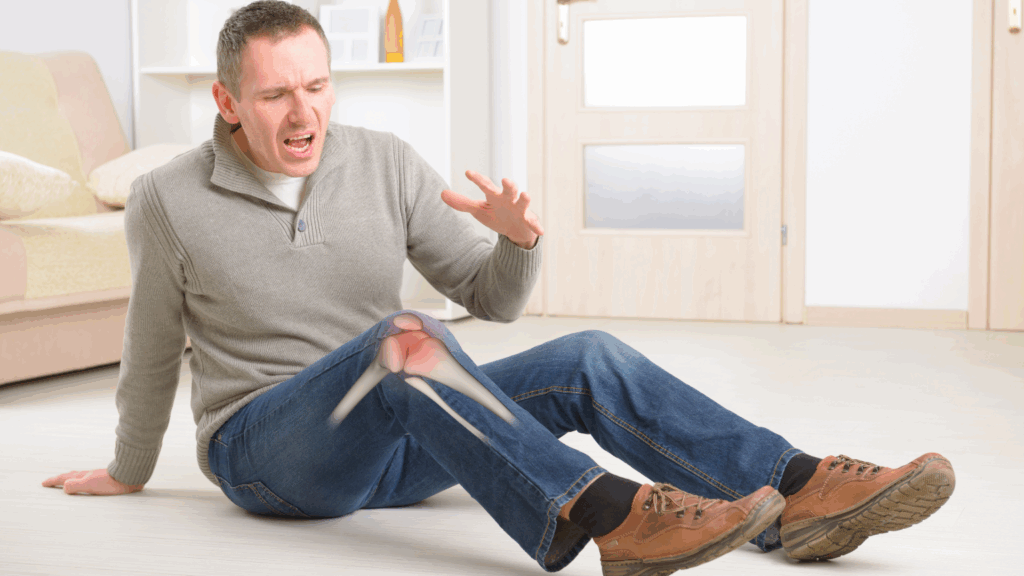
person suffering from knee fracture

Recovery Timeline for Different Conditions

Let’s look at the approximate timeline based on different fracture treatments:

Non-Surgical (where Cast/Brace has been incorporated)

  • Walking with crutches: Around 6–8 weeks after the injury.
  • Full recovery: Between 3–6 months.

Surgical (conditions where Plates, Screws, and Rods are involved)

  • Partial weight-bearing: Usually possible after 6–10 weeks.
  • Full recovery: Often takes 4–8 months.

While this is just the gist of the recovery relative to two different conditions, there is a lot of progress that is happening in between those months. Here is a week-by-week milestone highlight in case of a knee fracture surgery recovery process:

  • Initial Phase (0–6 weeks): Your knee will be clamped in a cast, brace, or reinforced post-surgery. You’ll focus on minimizing swelling and preventing stiffness.
  • Halfway through Rehab (6–12 weeks): Based on your doctor’s consultation, you may start partial weight bearing with a crutch/walker. Physiotherapy after knee fracture commences at this stage.
  • Final Strengthening (3–6 months): You gradually regain stability, balance, and agility. With uninterrupted therapy, you may start walking more normally without support.
  • Long-Term Recovery (6–12 months): Strenuous activities, running, or sports can only be resumed after complete healing and medical clearance.

Signs That You’re Ready to Take a Stroll

Prior to your initial independent steps, your body will indicate to you with some signs:

  • You no longer experience pain in your knee while standing or applying pressure.
  • Your orthopaedic doctor affirms that partial or full weight-bearing is safe.
  • Your physiotherapist observed enhanced muscle strength and mobility.
  • Reports (like X-rays) reveal that your bone has healed sufficiently.

Generic Faults That Stall Recovery

There are an uncountable number of patients who don’t even know that they are stalling their knee fracture recovery time. It might be arrogance or just a lack of knowledge. Here is a list of such mistakes that do not help in recovery:

  • Walking before your orthopaedic expert approves it.
  • Avoiding physiotherapy sessions, assuming rest is enough.
  • Disregarding your diet. You should know that low calcium and protein intake weaken healing.
  • Smoking or excessive alcohol intake interferes with bone repair.

Hacks to Speed Up Recovery

While recovery is totally a natural process and depends on one’s immunity powers, abiding by some ideal tips helps a little bit more. Here is what you should do:

  • Stick to your doctor’s physiotherapy plan, no matter what. 
  • Use crutches/aids appropriately to avoid strain.
  • Eat a nutrient-rich diet with calcium, vitamin D, and protein.
  • Refrain from strenuous activities like running or jumping until your doctor clears you.

Prevention of Future Knee Injuries

A complete recovery from a knee fracture takes time, patience, and a lot of effort. You don’t want to ruin this and hurt your knee again, do you? Here are some comprehensive prevention tips that you could follow:

  • Strive to strengthen your leg muscles periodically, with guided exercises.
  • Wear proper protective gear if you play contact or high-impact sports.
  • Maintain overall bone health with supplements and practice exercises for knee fracture recovery (only recommended ones).

Ace Your Knee Fracture Recovery Today

If your report shows that you have a knee fracture, then consulting a reliable orthopaedic doctor should be your first step. That expert is the only person who can guide you through a speedy recovery process. Remember: it’s not a time to get panicked but to keep calm and follow appropriate guidance. 

If you’re currently dealing with knee pain or recovering from a fracture, don’t wait; book a consultation on the Shoulder & Knee Clinic website today. With Mumbai’s top orthopaedic doctors helping you towards a full recovery, you get to bolster a thriving lifestyle in the days to come. 

Knee Arthritis: Causes, Symptoms, and When to See a Doctor

Knee Arthritis: Causes, Symptoms, and When to See a Doctor

Well, the human body has several joints, and thus joint pains are a common ailment in young adults as well as the elderly. You might know that arthritis is a medical condition related to human joints. And it basically involves swollenness and other symptoms to the same. In fact, its is reported that arthritis in the knee is one of the most common elderly ailments in India. And there are certain types as well for other age groups.

In this article, we will explore the true meaning of knee arthritis, its causes, symptoms, and when one should consult a doctor before it’s too late.

What is meant by Knee Arthritis, and what causes it? 

As mentioned earlier, it’s basically a swelling and degeneration of the knee joint cartilage. And by cartilage, it meant the slippery layer on the bone ends. This serves as a pillow and allows the seamless knee bends and other movements.

Cartilage, respectively, to a knee, is positioned on the top of the shinbone (tibia), the end of the thighbone (femur), and the rear side of the kneecap (patella). It is proven that with time, it goes through certain levels of wear and tear. And thus, issues such as uneasiness in the knees start to show up.

Impairment to the joint cartilage for a prolonged period may lead to the development or worsening of deformities of the knee, including bowleg and knock knees.

Now, to comprehend the causes of knee arthritis, one has to relate it to the different types of the same-

  • When the ends of the joints lack sufficient cartilage, Osteoarthritis occurs.
  • Patients suffering from psoriasis (a skin condition) have a high chance of experiencing Psoriatic arthritis. Sometimes it causes joint pain and swelling.
  • Rheumatoid arthritis is categorized as another autoimmune ailment. It means that one’s immune system, by mistake, attacks healthy tissues.
  • Post-traumatic arthritis is experienced by patients undergone a knee injury. Sometimes athletes suffer from the same.

And there are many others like gout, juvenile arthritis, infectious arthritis, etc., which have their own causes, but these are the most common ones.

What are the typical symptoms at the early and advanced stages?

Every ailment has symptoms during the initial days and worsens over time. The case is the same for knee arthritis, too. Let’s go through them-

Early stage knee arthritis:-

  • Uneasiness and mild pain during or post-day movements
  • Stiffness in the knee, especially in the early hours of the day or after inactivity
  • Infrequent inflammation just around the joint
  • Minimal reduction in resilience or range of motion
  • A sore feeling or mild screeching when the knee is in motion

Advanced stage knee arthritis symptoms:-

  • Relentless and more intense pain, even during rest/inactive periods
  • Considerable rigidity, making it difficult to bend or straighten the knee
  • Periodic warmth and swelling around the knee
  • Noticeable loss of function and mobility
  • Prominent popping, grinding, or joint locking
  • Visible joint deformity or alteration in leg alignment (e.g., knock-knee or bow-legged appearance)

How can patients differentiate arthritis from other types of knee pain?

In most cases, patients get confused between knee pain and arthritis, leading to mismanagement of symptoms and false treatment. Comprehending the key differences between the two can help you identify the correct treatment and fast relief.

You’ve already gone through the definition and symptoms of knee arthritis. Now, let’s decode the various aspects of knee pain. And then you can compare the two to get your answer.

Discomfort in the knees is a cumulative or sole result of various causes, like mundane activities, sudden injuries, etc. Some generic causes include-

  • Strained muscles or ligaments
  • Tendonitis from mundane movements
  • Minor injuries like bruises or sprains
  • Overuse due to vigorous exercise sessions or weight-bearing activities

These are normally the causes faced by athletes or people in sports, but not necessarily the case.

Symptoms involve-

  • Localized pain post-physical activity
  • Inflammation that subsides with proper rest
  • Stop gap stiffness that improves with movement
  • Unnoticeable long-term joint changes

While you may consider these to tally with the ones in case of arthritis (as discussed above), but its always better to consult an orthopedic doctor before starting your treatment.

When is it important to consult a doctor for knee pain or stiffness?

Sometimes conditions get worse when the home treatments are not enough or incorrect. Here are the symptoms that you can consider as a red alert-

  • Inflammation that does not shrink with ice or rest
  • A feeling that it will yield or knee buckling
  • Excruciating night pain that keeps you awake. High chances that it is a bone-to-bone disease
  • Fever, warmth, and redness, which could signal infection or gout
  • Fresh leg inflammation below your knee

Conclusion

A quick and correct knee arthritis treatment is necessary to avoid worsening of symptoms and eventually a poor lifestyle. If non-surgical treatments don’t offer the necessary pain relief and enhance one’s mobility, then it’s better to go for surgical options. But first, you need to have a proper diagnosis and consultation with an experienced surgeon.

Reach out to us at shoulderandkneeclinic.com to book the best orthopedic surgeon in Mumbai today. Be it knee replacement or arthroscopic surgery, our surgeons promise you a holistic solution today to help you lead a better tomorrow.

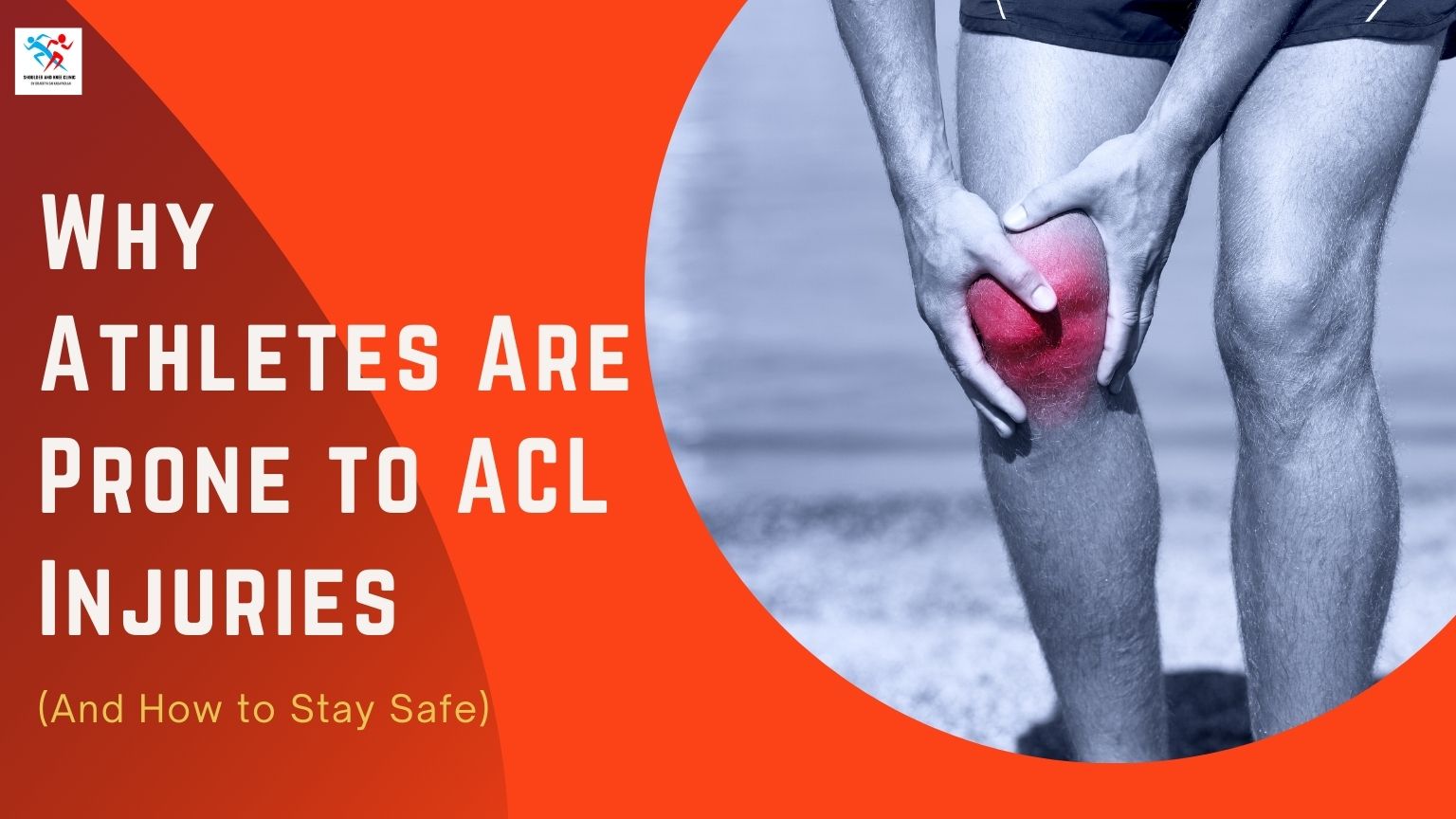
Why Athletes Are Prone to ACL Injuries And (How to Stay Safe)

Why Athletes Are Prone to ACL Injurie
Athlete holding injured knee, highlighting ACL pain

Athletes are prone to ACL injuries because they are the ones involved in high-impact sports. Well, that was just a short description of the whole medical scenario. To understand the cause better, you need to comprehend much more than that, so as to prevent it from happening.

This article will cover some brief insights into ACL injury and key strategies on how to stay safe from the same, if you are an athlete.

What is meant by an ACL injury?

Tibia, femur, and patella happen to be the 3 primary bones of your knee joint. Along with these, it also contains cartilages, ligaments, and tendons that leverage its functionality.

Now, the anterior cruciate ligament (ACL) joins your femur to your tibia, thus offering the vital balance to the knee joint through thorough passive techniques. This subjective ligament bounds the tibia in the correct periphery, rather than allowing it to topple forward relative to the femur. It also simultaneously prevents detrimental twisting motions of your knee.

Deep insights into the actual cause: ACL Injury

As an interesting matter of fact- in most cases of ACL injuries, it can be noted that it occurred in relative to a contact injury. However, these cases often pertain to non-contact. It can be perceived that in most cases, it happens during the ground reaction phase of landing and jumping actions, sudden shift of direction movements, and single-leg dedicated actions. In these types of key movements, your knee gets the highest amount of load.

In an ideal scenario, the muscles relative to both the knee and hip would help cushion this load, minimize any undesirable motion at the knee, and position the lower limb in the correct alignment. But that doesn’t happen all the time.

In case of an injury, the knee tends to experience inward rotation while the lower shank slips too far forward, making the ACL take an unbearable load, leading to its rupture.

Demographics that suffer the most from ACL injuries- Gender Based Insights

If you study the frequency and respective profile of the patients seeking ACL reconstruction surgery in India, you will notice that most of them are females. This is because they suffer at a rate that is at least 3 to 5 times higher than their male counterpart. The reasons are many, such as-

  • Their Q angle (quadriceps angle), which makes females have wider hips than males, increases the risk of the knee caving in to valgus, and thus leads to a high probability of ACL rupture.
  • They are less funded by the sports institutions, thus leading to less strategic coaching and safety awareness.

Prevention Tips: ACL Injury

It is crucial to prevent ACL injuries, especially when you are an athlete. First, you might be restricted from the game for at least 8 months, and then you might develop arthritis in your old age. Due to these reasons, our experienced orthopaedics at shoulderandkneeclinic.com suggest practicing preventive measures.

Strategic stretching can help toughen and safeguard your ACL. Those are basically-

  • Squats and lunges leverage toughening of the leg muscles.
  • Balance training, like standing on one leg for around 20 seconds or more.
  • Your hamstring and ACL are related. So if you do periodic hamstring curls, it will build up your legs to sustain sudden pressures.
  • Physiotherapists always promote core strengthening. This is because it helps in your overall leg power, thus safeguarding the ACL.

You can do some strategic exercises that can help strengthen and protect your ACL. These are-

  • Lunges and squats are helpful since they strengthen your legs.
  • A robust hamstring helps safeguard your ACL. Proper hamstring curls can be done at the gym or at home.
  • Core strengthening is crucial for overall balance and can help avert ACL injuries. Yoga exercises like planks and bicycle crunches can leverage your core strength.

An ACL tear treatment cost in India generally ranges from 30,000 INR to 2,00,000 INR. Even if it’s not a big deal for you, the pain might be. So, you better take preventive measures like practicing some plyometric exercises, like-

  • Jump squats
  • Box jumps
  • Lateral jumps
  • Flawless landing technique where you soft land with bent knees, avoiding knee knock, and Single leg hope

    Mastering some key movements can help you prevent ACL injuries in the long run. Here are some priceless tips-
  • A safe landing is very important. The moment of landing, right after you do a jump, has to be mastered strategically. Ensure that your knees are at an optimum angle, rather straight, to withstand the pressure.
  • Strategic pivoting and cutting are vital too. When you are doing a quick movement between two directions, ensure that you curve your knees and your body level is at an optimum low.
  • Mastering deceleration in your sport is important. You need to master how to pause your pace, rapidly, after you have gained a speedy momentum. This practice will help safeguard from possible ACL injuries.

Get Yourself Professional Help

While the above tips can help someone like you to understand ACL injuries and their preventive measures, it is always better to consult an experienced orthopaedic doctor. If you are seeking the best doctor for ACL surgery in Mumbai, reach out to us at shoulderandkneeclinic.com to book an appointment with our renowned orthopaedic today!

Whether you are a seasoned player or a retired trainer, embracing the correct methodology to treat your ACL injury will be the smartest step. Choose us today for a better playtime tomorrow.

Knee Cracks When You Squat? It Could Be a Cartilage Warning!

Why Knee Cracks When You Squat?
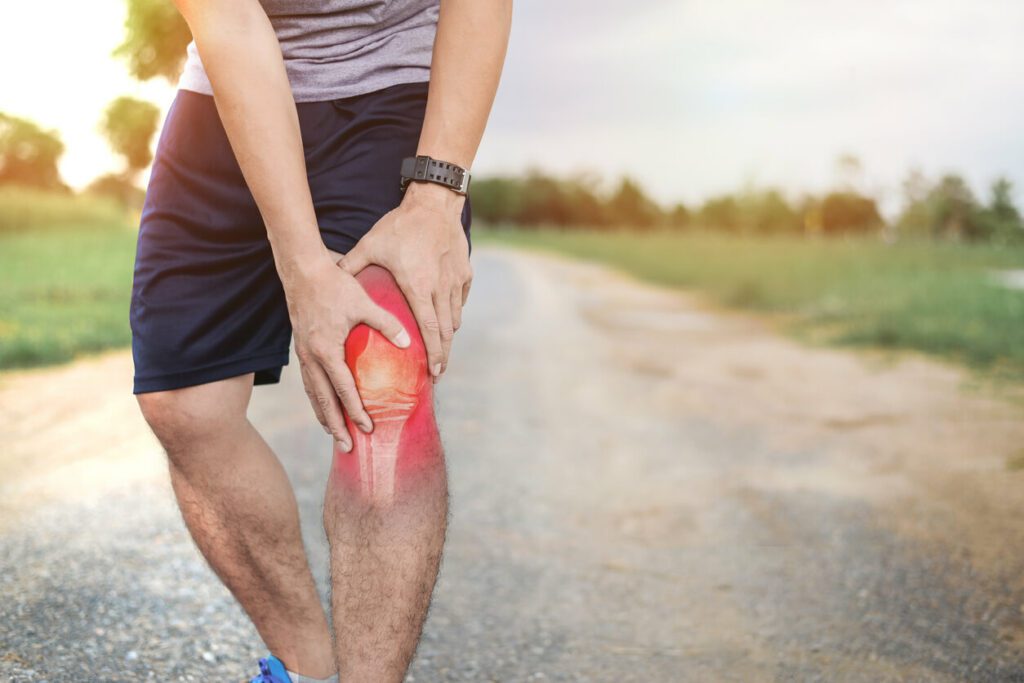
Keen Pain While squatting

Yes, you read it right. If you are hearing some cracking sound whenever you make a squat- either during yoga or during daily chores, it might be a cartilage warning. And cartilage plays a vital role in ensuring seamless and pain-free joint movement. Without prompt diagnosis and appropriate treatment, it can lead to discomfort, severe pain, restricted mobility, and, in the long term, knee osteoarthritis.

This blog will unravel the cartilage mechanism, diagnosis of cartilage injury, and its various treatment types.

Decoding- Knee Joint Cartilage and its Mechanism

The tissue covering the limits of the bones on either end is known as joint cartilage. Its composition is basically Hyaline cartilage. The main function of joint cartilage is to offer a smooth surface that restricts the bone from friction damage caused by rubbing and other movements.   

Just like every other joint cartilage, knee joint cartilage lacks its own blood vessels and is sustained by synovial fluid. Its structure is maintained by the cells within the cartilage (chondrocytes).

Symptoms of Knee Cartilage Damage

There are some typical symptoms of a knee cartilage injury and some of them are given below-

  • Uneasiness and pain- in and around the knee. And it gets worse with time, especially after prolonged periods of inactivity
  • Stiffness or swelling
  • A feeling of catching or locking
  • Limited range of motion
  • Instability; where your knee might feel weak or unstable, especially when carrying weight

Generic Causes of Knee Cartilage Injuries

It is reported in several medical journals that the injuries can arise from several factors, including-

  • Traumatic Injuries- sudden incidents, like the impact of a direct blow to the joint or twisting the knee during contact sports, can cause acute cartilage damage.
  • Degenerative transformation refers to the wearing down of knee cartilage due to conditions like osteoarthritis. This leads to incremental joint damage. Redundant usage and aging also contribute to this deterioration.
  • Miscellaneous factors such as- genetic tendency to weaker cartilage, coupled with lifestyle elements such as obesity, may influence the likelihood of injury.

What Entails Proper Knee Cartilage Injury Diagnosis? 

Prompt and meticulous diagnosis of a knee cartilage injury involves a combination of clinical imaging and evaluation. A knee cartilage injury treatment in Mumbai or any other metro city in India would have the ideal set of diagnosis steps. This is because of the access to top orthopedics and physicians in terms of the healthcare centers.

In brief, the series of steps might involve-

  • Physical examination and medical history- where the caregiver reviews symptoms, prior injuries, and activity levels to converge on the potential cause. The physical examination involves examining joint movement, identifying tenderness locations, and scrutinizing any imbalance or swelling.
  • Imaging Tests- Here, the orthopedic doctor suggests going through MRI scans as they offer more in-depth insights into the knee’s tender tissues, including cartilage.
  • Arthroscopy- In the case where imaging renders inconclusive, arthroscopy might be performed. This subtle invasive procedure involves inserting a tiny camera into the knee joint, making provision for a direct visual assessment of cartilage damage and other joint structures.

Types of Treatments in Case of a Knee Cartilage Injury

Knee cartilage damage treatment Mumbai or in any other metro city, varies according to the conditions of the patients. They can be classified into two broad categories:

Non-Surgical Treatment:
This includes some treatments that can be carried out in a home environment too.

  • Rest, compression, ice, and elevation (RICE)- giving rest to your knee helps alleviate the pain. The application of ice helps reduce swelling and inflammation, while elevation and compression minimize fluid build-up, stimulating recovery and comfort.
  • Physiotherapy- Focused exercises enhance the flexibility and strength of muscles supporting the knee. This minimizes the strain on the joint and improves stability. Subtle activities like cycling and swimming are often suggested by physicians.
  • Medications- Sometimes doctors prescribe non-steroidal anti-inflammatory drugs that relieve pain and swelling. It is generally recommended for short-term use during the initial recovery phase.
  • Injections- the ones with Hyaluronic acid enhance the lubrication of the joint, promoting seamless movement. A specialized therapy by platelet-rich plasma taps into growth factors from the patient’s blood to promote tissue repair and minimize inflammation in some cases.

    Surgical Treatment:
    This type of treatment is required when the non-surgical steps no longer serve the purpose or it’s beyond the condition.
  • Autologous Chondrocyte Implantation- This surgical procedure involves garnering healthy cartilage cells from the patient’s own body, preparing them in a lab, and implanting them back into the damaged area.
  • Microfracture Technique- Tiny holes are drilled into the underlying bone to facilitate the advancement of fibrocartilage- a kind, that fills injured areas. This methodology is often used for smaller injuries but may not restore the original cartilage’s total function.
  • Osteochondral Grafting- undamaged cartilage is taken from another part of the body or from a donor to substitute the damaged one.
  • Meniscus Replacement or Repairing- In this procedure, a stitching technique is improvised that allows the tissue to heal.

Conclusion

If you are having any of the preliminary symptoms of a cartilage injury, it is time you consult an experienced orthopedic as soon as possible. This will set you up for a thorough and accurate knee cartilage restoration.

If you are somewhere within and around Mumbai, then your best bet would be to consult our renowned orthopedic at shoulderandkneeclinic.com. With uncountable success stories and commendable years of experience, our top doctor is ready to give you a healthy lifestyle with a fit knee movement, in no time.

The Impact of PCL Injuries on Everyday Activities and How Surgery Can Help

The Impact of PCL Injuries on Everyday Activities

PCL which stands for posterior cruciate ligament positions within the knee joint parallel to the anterior cruciate ligament (ACL), binding the femur (thigh bone) to the tibia (shinbone). Reports suggest that PCL tears don’t happen to people as frequently as compared to ACL injuries. But the answer to the question of- how do PCL injuries occur? is very simple. It arises due to abnormal movements such as twisting, sudden falls, dashboard injury or head-on impacts to the knee during tough sports.  We will discuss how the condition affects us and what entails a proper PCL injuries knee treatment; but first, let us go through the knee anatomy a bit. This will help you understand the medical condition in depth, and allow you to take action for yourself or suggest someone you know, who is suffering from the same.

Structural Insights

The knee joint- It’s a complex structure altogether where three significant bones i.e. the kneecap, tibia, and femur play a crucial role every day to help you make the basic movements when you walk. The patella a.k.a kneecap, acts within a trough at the end of the femur. If we look at the overall architecture, you will notice that the robust muscles in the thigh, especially the quadriceps at the front and hamstrings at the rear, provide balance and strength to the knee.

The knee is balanced by four substantial ligaments, two of which we have already discussed earlier i.e.  ACL and PCL. Now the other two are – the medial one (MCL) and the lateral collateral ligament (LCL). The PCL and ACL traverse within the knee joint, working simultaneously to keep the joint balanced and refrain from strenuous forward and backward movement. They also manage the rotational motion of the tibia, which is crucial for actions like running, skating, or driving.

Symptoms and how it can affect your daily life

In the initial days, the symptoms can be very ambiguous, leading people unaware of the injury until the situation degrades and cause pain over the course of time. Typical symptoms include-

  • Minimum to moderate knee pain.
  • Exponential swelling and soreness around the knee.
  • Feeling deep pain during regular activities like squatting, running, kneeling, or pacing up and down the stairs.
  • Uneasiness during a stroll or frequent limping.
  • A tingle of disbalance in the knee, as if it might yield soon.

Diagnosis of PCL injury

To diagnose PCL injuries knee, your healthcare provider should suggest a few steps:

  • Any standard Sports injuries specialist  should start asking about your history i.e. when you injured yourself and how it happened. If the doctor that you are about to consult is from shoulderandkneeclinic.com, then you might be asked additional questions like-
  • If your knee were straight, twisted, or bent after the accident
  • How gradual was the pain right after the incident, and
  • If you have faced the symptoms since the accident
  • The next step would be a physical examination. In this, you would be asked by your doctor to lie on your back with your knee bent. The doctor then examines your knee and presses against your upper shin. During this entire action, if abnormal movement of your knee is identified, it may suggest a PCL injury.
  • Imaging- Another basic step towards a fool proof diagnosis is imaging. Generally, X-rays might be suggested by your doctor to identify any signs of damage to your knee. Moreover, sometimes an MRI scan is also suggested to obtain a clear image of the PCL injury.

Treatment

There happen to be non-surgical treatments for PCL injuries and these are only feasible when it is-

  • Grade I or II injuries and doesn’t involve any other knee ligaments.
  • Low activity level of the individual

Some individuals need to go through some exercises as advised by their physicians. This only helps to regain the leg muscles around the knee. A rehabilitation session is also recommended whether the patient goes through surgery or not.

When neither home remedies nor non-surgical treatments yield results, your Sports injuries specialist might suggest you for a surgical procedure. This is typically the scenario when you have hurt other ligaments in your knee apart from the PCL. Our doctors would clearly communicate with you whether surgery would be the ultimate solution or not.

So, the general criteria that draw the line towards surgery are-

  • A condition where PCL injuries include loose or broken pieces of bone
  • Injuries  where more than one ligament is involved
  • Acute PCL disbalances that causes symptoms, especially in athletes

Generally PCL is not repaired except in cases of bony avulsion of the PCL where it has come poff with a piece of bone from the tibia. The reason behind refraining from utilizing the old one is that it doesn’t heal properly in the long run. Instead, the doctor will reconstruct the PCL and incorporate the old tissue in the reconstruction

The subsequent ligament may be substituted with-

Piece of tendon extracted from other parts of your body, such as the back of your Bone patella tendon or thigh

This is what is known as an arthroscopic procedure in medical terms. It also involves certain tools and camera insertion through precise cuts around your knee. But you should know that this procedure is the ultimate solution to heal your PCL injury in no time. Another advantage is that it doesn’t leave scars as grave as other kinds of surgeries.

 Post-surgery, you might need around 4-5 months for a complete rehabilitation period.

Now that you know what a PCL injury entails, you can decide on your own to proceed with diagnosis or further steps. Don’t forget to consult with an experienced Sports injuries specialist  before making any major decision. Reach out to us at shoulderandkneeclinic.com to book an appointment with our most experienced doctors- known for their expertise and numerous successful procedures throughout their profession.